Where
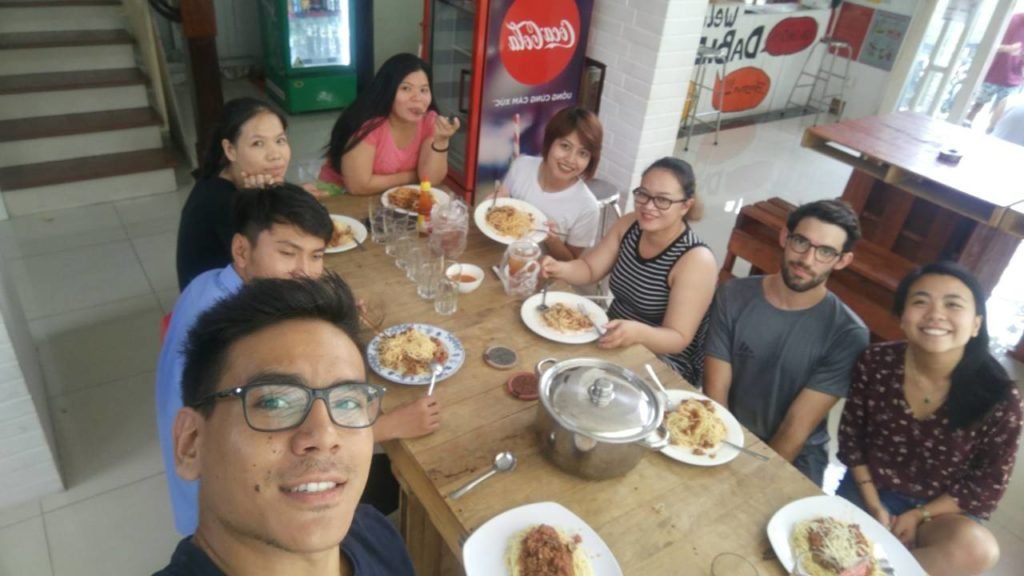
District 10, Ho Chi Minh City, away from the backpacker area
Size
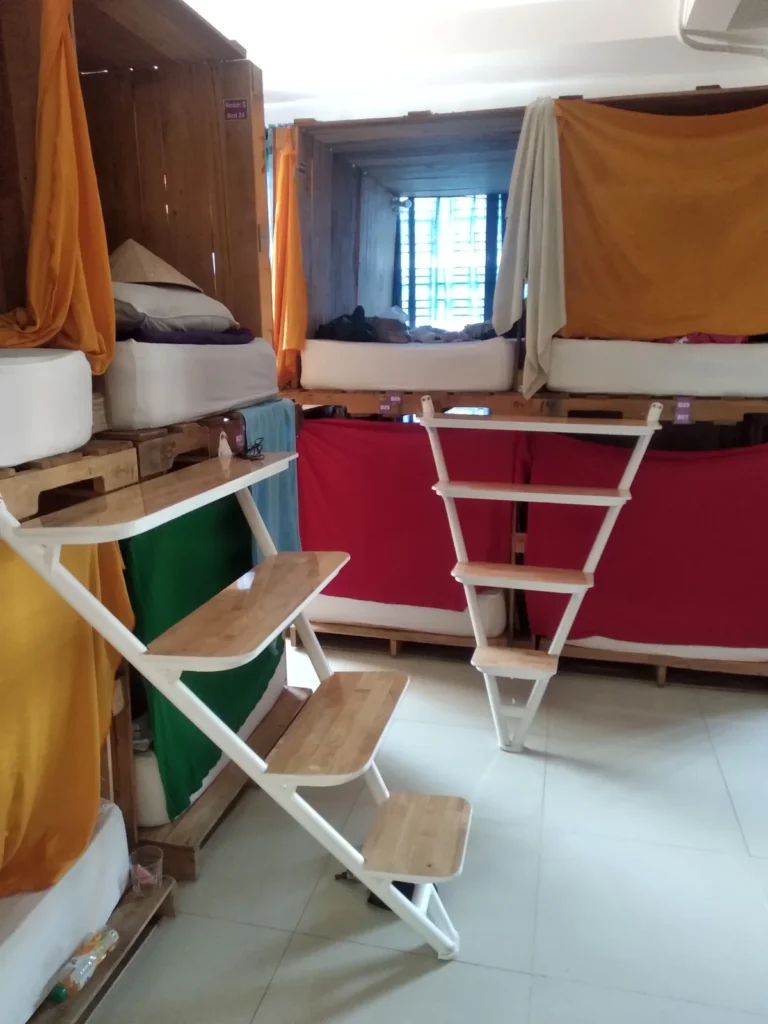
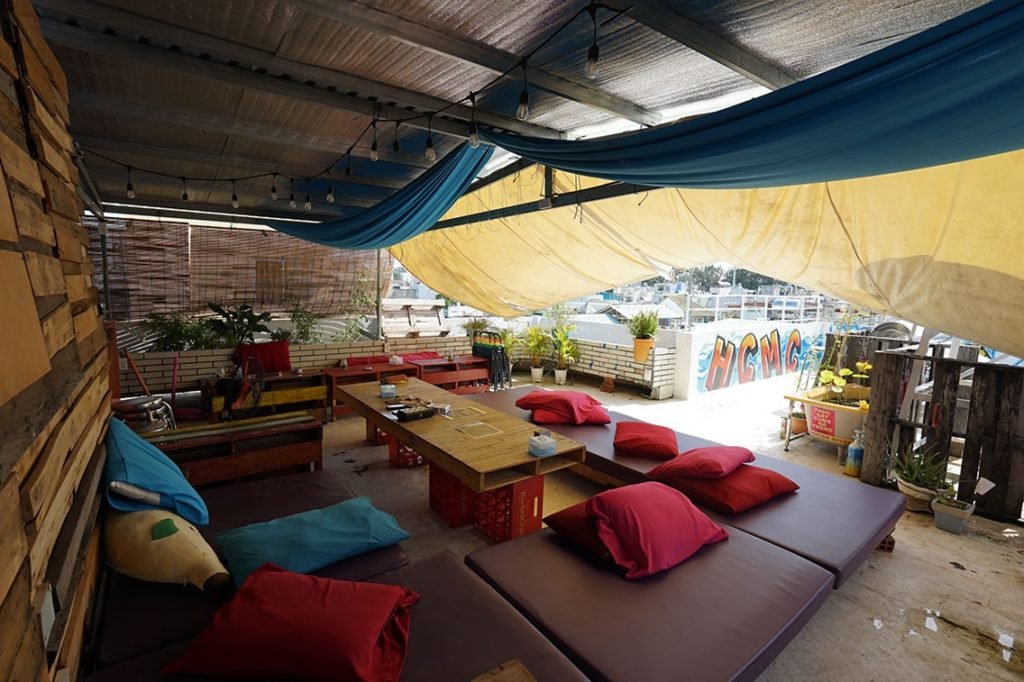
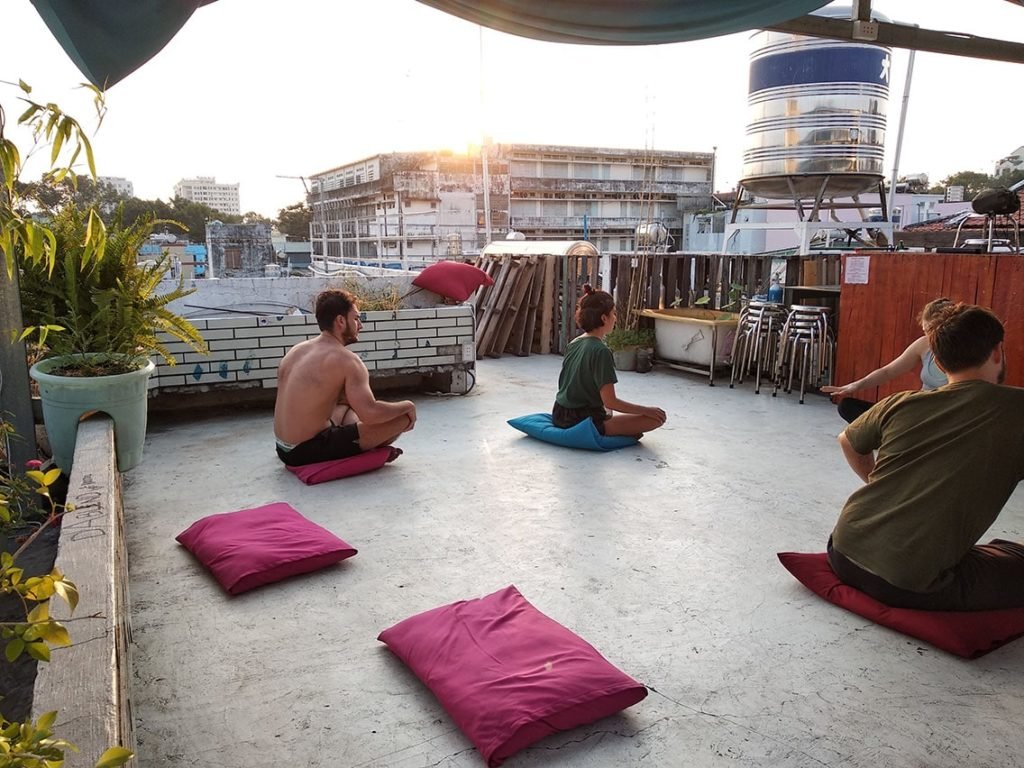
9 rooms, 4 private and dorms with 36 beds, plus a rooftop bar
Team
5 full-time and 3 part-time staff, plus volunteers (2019)
My tools
Cloudbeds, Google Sheets, Trello, an operations manual
How it started
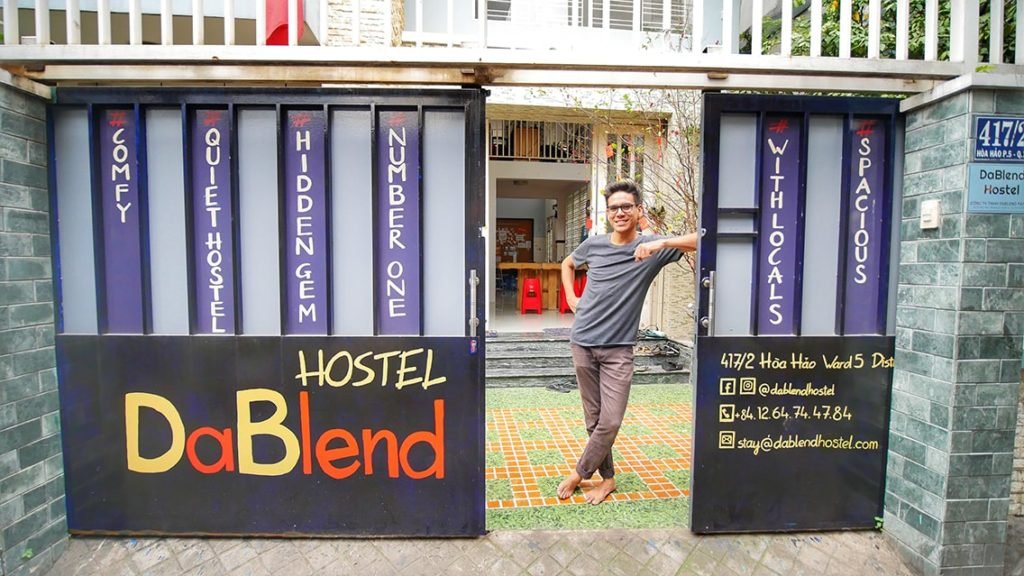
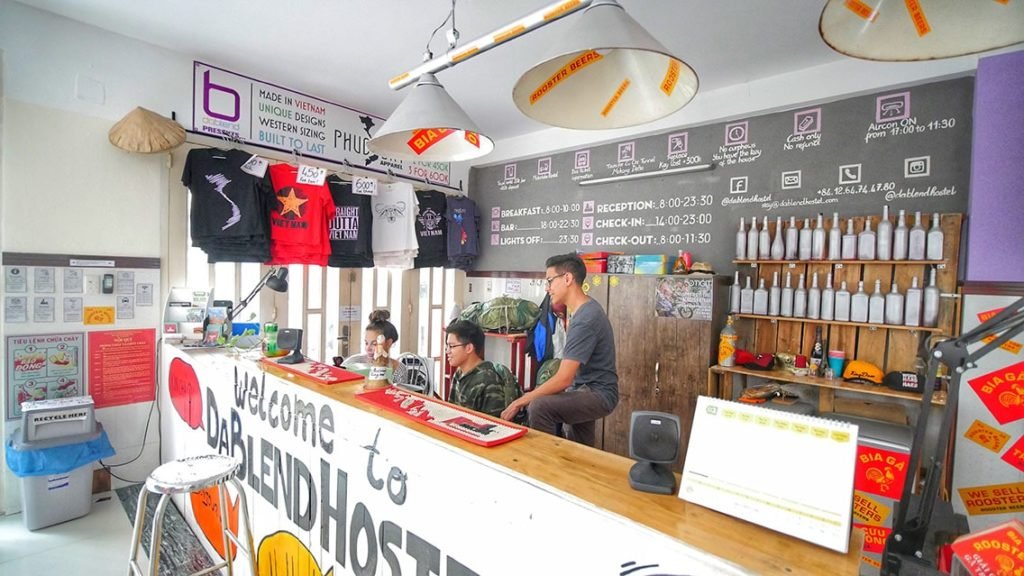
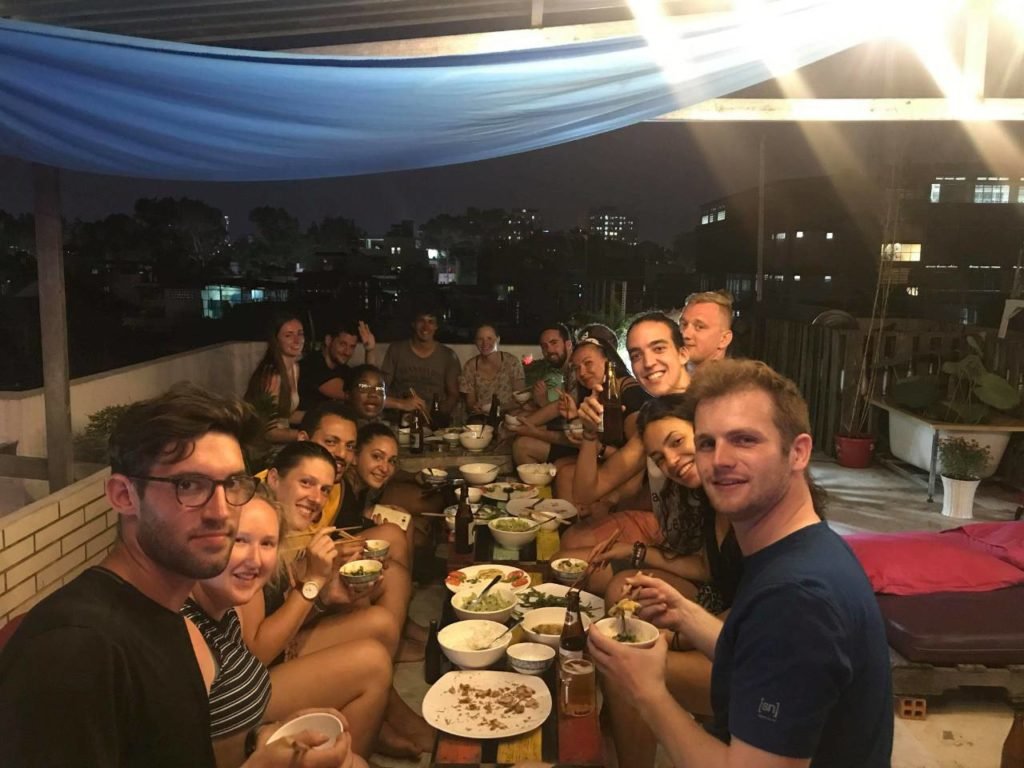
In 2016 I put almost all my savings into a house in District 10, far from the backpacker street. It began as a shared house for the foreign interns my recruitment company brought to Saigon, and became a real hostel in 2017: a reception, a bar, a team working in shifts, tours with local agencies. Guests who came for two nights started staying four and a half. My partner left in 2017, almost exactly a year after we opened. Everything that follows, I did on my own.
How it went
- 2016 — Booking.com Guest Review Award in the first year.
- Jan 2018 — Number one hostel in Ho Chi Minh City on Hostelworld.
- Early 2018 — Ten days in hospital. For two years I had lived in the staff dorm and worked from 7am to 11pm.
- 2018–2020 — Two years to step out of the daily operations, from 75% of them at first to 95% by the end: laundry brought in-house, a booking system that handled payments and emails, an agency for social media, a 16-page operations manual, and a short team meeting every day.
- 2020 — Booking.com Traveller Review Award and a 9.5 “Superb” on Hostelworld, over about 1,000 reviews.
Why it stopped
By 2019 I knew I wouldn’t run a hostel for the rest of my career. In February 2020, while it was still running well, I put it up for sale to start a new project. Then Vietnam closed its borders in mid-March, and 90% of our guests were international travellers. Instead of a sale, I refunded every booking and closed. In June someone took over the lease and the furniture.
I never reopened. I didn’t see a future in a business that can’t profit from the internet, and I wanted a stable income and time with my family.
What it taught me
- A buyer doesn’t buy a job. They buy a business that runs without its owner. Putting a price on the hostel taught me that, and it’s what I put forward when I listed it for sale: it ran without me.
- My health comes before the business. I learned it in a hospital bed, not in a book.
- It’s not about becoming number one. It’s about managing the after: the team, the systems, the days when you’re not there.
- The three things I’d do differently if I opened a business today are in this article.
What came next
The manual, the daily meeting and the delegation are what I now help founders set up in their own teams, with Scale in Peace.


Leave a Reply